The Resident Evil Controversy: Why Zach Cregger’s Reboot Is Splitting American Horror Fans Down the Middle

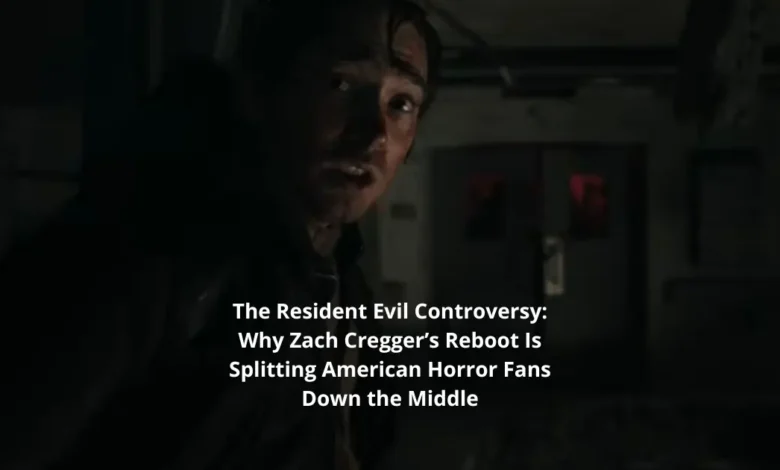
The Resident Evil Controversy exploded across social media and theater lobbies this weekend after director Zach Cregger’s highly anticipated cinematic reboot completely shattered box office expectations but left the fandom deeply divided. While casual moviegoers are praising the film as a masterclass in claustrophobic tension, a massive wave of backlash from video game purists is driving a fierce online debate over whether this film is a brilliant reinvention or a total betrayal of the franchise.
The Audacity of Ditching Iconic Lore
At the absolute center of the Resident Evil Controversy is Cregger’s bold decision to completely ignore the established gaming lore and its legendary roster of heroes. Instead of watching seasoned badasses like Leon S. Kennedy or Jill Valentine blast through monsters, American audiences are introduced to Brian, a regular, everyday medical delivery driver played by Austin Abrams.
Read Also:
The Thing Nobody’s Saying Out Loud About Resident Evil
For the gaming purists, this was a tough pill to swallow. Social media platforms are flooded with complaints from fans who feel that stripping away the iconic characters robs the franchise of its identity. However, mainstream horror enthusiasts are fiercely defending the change, arguing that forcing an ordinary guy into a frozen, zombie-infested nightmare makes the stakes feel incredibly real, terrifying, and grounded.
A Tonal Tightrope of Gore and Dark Comedy
Another major breaking point for audiences is the film’s wild, unpredictable tone. Zach Cregger, known for his work on Barbarian, infuses the movie with a distinct blend of pitch-black humor and brutal, stomach-churning survival horror.
This stylistic choice has ignited endless debates online. Critics and cinematic fans love the balancing act, noting that the dark comedy expertly cuts through the suffocating atmosphere of the isolated, snowed-in hospital. On the flip side, traditionalists argue that the comedic beats ruin the bleak, dreadful atmosphere that a true survival horror film should maintain, making the experience feel jarring rather than genuinely scary.
That Chaotic Third Act
If the first two acts of the film built up tension, the final act completely blew the doors off, and it is currently the most talked-about segment of the entire movie. Cregger shifts gears from a slow-burn psychological thriller into an absolute festival of blood, retro tech, and creature designs that no one saw coming.
While some viewers left theaters absolutely thrilled by the chaotic, adrenaline-fueled climax, others felt it went entirely off the rails, abandoning the tight suspense built during the earlier scenes. This division proves that even with over $108 million in its global opening weekend, the film is destined to remain a massive talking point for months to come.
Would you like me to make any specific adjustments to this article, such as expanding on the box office figures, adding more detailed reactions from critics, or adjusting the formatting and tone?
Discover more from Feenanoor
Subscribe to get the latest posts sent to your email.