Movie Theater Etiquette Is Becoming a Horror Movie Problem as Fans Question the Price of a Ticket

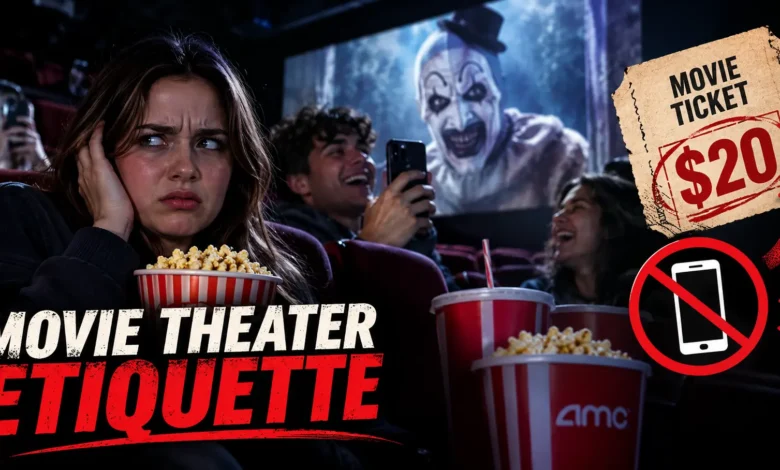
Movie theater etiquette is becoming a growing frustration for horror fans who say disruptive audiences are making it harder to enjoy movies on the big screen. From people recording scenes on their phones to loud conversations and constant laughing during serious moments, complaints about theater behavior are adding another layer to an already heated debate: Is going to the movies still worth the money?
The issue is especially noticeable in conversations surrounding horror screenings, where atmosphere is a major part of the experience. A sudden silence, an unsettling sound, or a carefully timed jump scare can make the difference between an unforgettable theatrical experience and an ordinary movie night. But when someone starts talking, scrolling through TikTok, or recording the screen, that atmosphere can disappear almost instantly.
For fans who have been waiting months to watch a highly anticipated horror release, the frustration goes beyond simple annoyance. They are paying for an experience they cannot fully recreate at home, yet some feel they are getting a worse version of it because of the behavior of other moviegoers.
Movie Theater Etiquette Is Turning Horror Screenings Into a Public Debate
Horror movies depend heavily on audience immersion. Unlike some action blockbusters, where explosions and fast-paced sequences can dominate the experience, horror often builds tension through silence, pacing, and small details.
That is why disruptive behavior can be particularly frustrating during horror screenings.
Some moviegoers complain about audiences talking throughout a film, laughing during scenes intended to be disturbing, or using their phones when the theater is supposed to be dark. Others point to people recording short clips for TikTok, Instagram Reels, or other social platforms instead of watching the movie.
The problem is not that audiences are reacting to horror movies. Screaming, jumping out of their seats, and laughing nervously are all part of the fun of watching a scary movie with a crowd. The frustration begins when reactions become interruptions that prevent everyone else from following the story.
Read Also:
US-Iran Tensions Rise After New American Strikes on Iranian Air Defenses
Xbox Cloud Gaming Introduces Monthly Playtime Limits, New Controllers, and a Major Redesign
The TikTok Effect: Are Some Moviegoers More Interested in Recording Than Watching?
Smartphones have changed the way people experience entertainment, and movie theaters are not immune.
A quick reaction video, a recording of a shocking moment, or a clip showing friends screaming during a jump scare can become social media content. But recording inside a theater creates a problem for everyone sitting nearby.
The screen lights up, the phone moves around, and other viewers may find themselves distracted from the movie. Even a short recording can interrupt a tense sequence that took several minutes to build.
There is also a wider question about why people go to the theater in the first place. If someone spends much of a screening thinking about what to post afterward, are they actually enjoying the movie itself?
That question is particularly relevant to horror fans, whose experience often depends on being completely absorbed in what is happening on screen.
Terrifier and Other Extreme Horror Movies Put Audience Reactions Under the Spotlight
The debate becomes even more interesting around extreme horror franchises such as Terrifier, where graphic imagery, shocking sequences, and intense audience reactions are part of the conversation surrounding theatrical screenings.
Movies in this category can attract dedicated fans who want to experience the reactions of a live audience. Some viewers enjoy hearing people scream, gasp, or react together. Others prefer a quieter screening where every disturbing detail can land exactly as the filmmakers intended.
Neither preference automatically makes someone a bad moviegoer. The problem is the difference between reacting naturally to a movie and deliberately disrupting the screening.
For horror fans, that distinction matters. A packed theater can make a terrifying movie even more memorable, but a room full of people talking over the dialogue can have the opposite effect.
Why Are Americans Questioning the Price of Movie Tickets?
Audience behavior is only one part of the debate. The other is the growing cost of going to the movies.
In 2026, a study by CableTV.com estimated the average U.S. movie ticket price at $16.30, with substantial differences between states and theater locations. The same analysis estimated that a typical movie date night costs around $54.08 for two tickets, a large popcorn, and two drinks.
That is a significant amount for an evening of entertainment, particularly for families or people who visit theaters regularly.
The price can climb even higher when viewers choose premium formats, reserved seating, or special screenings. At major chains such as AMC and Regal, the final cost depends on the location, movie, showtime, and ticket format.
This creates a difficult comparison for movie fans: paying for a premium theatrical experience does not necessarily guarantee a quiet or respectful audience.
The $20 Ticket Question: What Are Moviegoers Actually Paying For?
For some customers, the issue is not simply whether a ticket costs $15, $20, or more. It is whether the experience justifies the expense.
A theater offers a massive screen, powerful sound, a shared audience reaction, and an atmosphere that a living room cannot fully reproduce. Those advantages remain important, especially for visually ambitious horror movies.
But the value proposition changes when the screening is interrupted.
Imagine paying for two tickets, buying snacks, finding parking, and arriving early for a highly anticipated horror movie. Then, during the most suspenseful scene, someone several seats away starts recording with a bright phone screen or talking loudly to friends.
For viewers who expect a premium experience, that can make the entire trip feel like a poor investment.
Theaters are therefore facing a challenge that goes beyond ticket pricing. Customers are not just comparing the cinema with streaming services. They are also judging whether the people around them allow them to enjoy the movie they paid to see.
Streaming Is Giving Horror Fans Another Reason to Stay Home
The growth of streaming and digital rentals has made the decision to visit a theater more complicated.
Instead of automatically treating theatrical releases as the only way to watch new movies, audiences can now compare several options: seeing a film on opening weekend, waiting for a digital rental, or watching it later through a subscription platform.
For horror fans, this is particularly relevant. The genre has a strong presence on streaming services, and many titles eventually become available to rent, buy, or stream at home.
The timing varies considerably. Some films reach premium video-on-demand platforms relatively quickly, while others maintain a longer theatrical run before moving to digital platforms. There is no universal 17-day release window that applies to every horror movie.
Still, the possibility of watching a film at home after a relatively short theatrical run can influence purchasing decisions.
Why spend money on a theater ticket if the movie will become available digitally soon, especially when the home experience offers complete control over the environment?
At home, viewers can pause the movie, adjust the volume, avoid disruptive strangers, and watch with friends without worrying about someone recording the screen.
That convenience does not replace the theatrical experience for everyone, but it gives frustrated moviegoers a practical alternative.
AMC and Regal Face a Bigger Challenge Than Expensive Tickets
Major theater chains such as AMC and Regal have more to consider than ticket prices alone.
Their business depends on convincing audiences that watching a movie in a theater offers something worth paying for. Premium screens, better sound systems, comfortable seating, loyalty programs, and special events all contribute to that proposition.
But the overall experience also depends on audience behavior.
Theaters already have policies restricting disruptive conduct and unauthorized recording. The challenge is enforcing those rules without turning every screening into a confrontation between customers and staff.
A person checking a message once is different from someone repeatedly recording scenes or talking throughout a movie. Clear policies and consistent responses can help protect the experience for everyone.
Some moviegoers may also prefer special screenings with stricter expectations around audience behavior. For horror releases with particularly dedicated fan communities, that could be an opportunity to offer different types of theatrical experiences.
The industry does not necessarily need every audience to behave identically. It does need customers to feel that their money and time are being respected.
Are Horror Fans Better Off Watching Movies at Home?
There is no single answer, because the appeal of horror cinema is closely connected to the way people enjoy being scared.
Some fans want the full theatrical experience: a giant screen, powerful speakers, and the unpredictable reactions of a crowd. A packed screening can make a terrifying movie feel even more intense.
Others would rather watch alone or with a small group of friends. They want to hear every sound, follow every detail, and avoid interruptions.
The growing debate over theater etiquette highlights the difference between these two experiences.
For movie theaters, the challenge is not to eliminate audience reactions. It is to preserve the atmosphere that makes watching a movie together worthwhile.
A horror screening should be loud when the movie demands it, frightening when the story builds tension, and memorable when the credits roll. It should not become a competition between the film and someone’s phone.
The Future of the Movie Theater Experience Could Depend on Audience Behavior
The discussion around movie theater etiquette reveals a bigger issue facing theatrical entertainment in the United States.
Ticket prices matter. Streaming availability matters. The quality of a movie matters. But the behavior of other people in the room can also determine whether a night at the cinema feels worth the expense.
For horror fans, that experience can be especially important. The genre thrives on atmosphere, suspense, and shared reactions, making disruptive behavior more noticeable than it might be during other types of entertainment.
As audiences continue comparing the cost and convenience of theaters with home viewing, cinema chains have another reason to protect the experience they are selling.
The question facing moviegoers is no longer just whether a horror movie is scary enough to justify a theater ticket. It is whether the theater itself can deliver the experience that made going to the movies special in the first place.