LOS ANGELES, May 31, 2026 — This urgent Evil Dead Burn movie review leak confirms that the highly anticipated sixth installment of the legendary franchise is stepping up to deliver the most ruthless, blood-drenched cinematic nightmare of the year. Warner Bros. and Sony Pictures have officially moved up the theatrical release date to July 10, 2026. Directed by French horror virtuoso Sébastien Vaniček (the mastermind behind the acclaimed thriller Infested), the project is produced under the watchful eye of franchise creator Sam Raimi, Robert Tapert, and horror royalty Bruce Campbell. Dropping alongside massive cinematic tech shifts detailed in our home theater guide 2026, this standalone bloodbath is locked and loaded to completely shatter the horror box office this summer.
Reunion from Hell: The Deadite Plot and Stellar Cast
The foundational narrative driving this exclusive Evil Dead Burn movie review breakdown revolves around a tragic, isolated family gathering. The plot follows a grieving widow who travels to a remote countryside home to seek comfort from her late husband’s family. However, the emotional gathering morphs into a literal “reunion from hell” as family members begin transforming one by one into sadistic, demonic entities known as Deadites. The widow soon uncovers a terrifying truth: her marriage vows extend far beyond the grave. The film boasts an incredible ensemble of rising stars, including Souheila Yacoub (Dune: Part Two), Hunter Doohan (Wednesday), Luciane Buchanan (The Night Agent), and horror veteran Tandi Wright (Pearl), ensuring the emotional performances carry as much weight as the surrounding carnage.


Read Also:
Iron Lung Post Credit Scene: Why You Should Stay Until the Very End (Confirmed)
Scream 7 Ending Spoilers: Deepfake Twists & Box Office Records Revealed
The Best New Horror Movies for Halloween 2025: Full Trailer Breakdown
Wax, Cars, and Dishwashers: Shocking Trailer Highlights
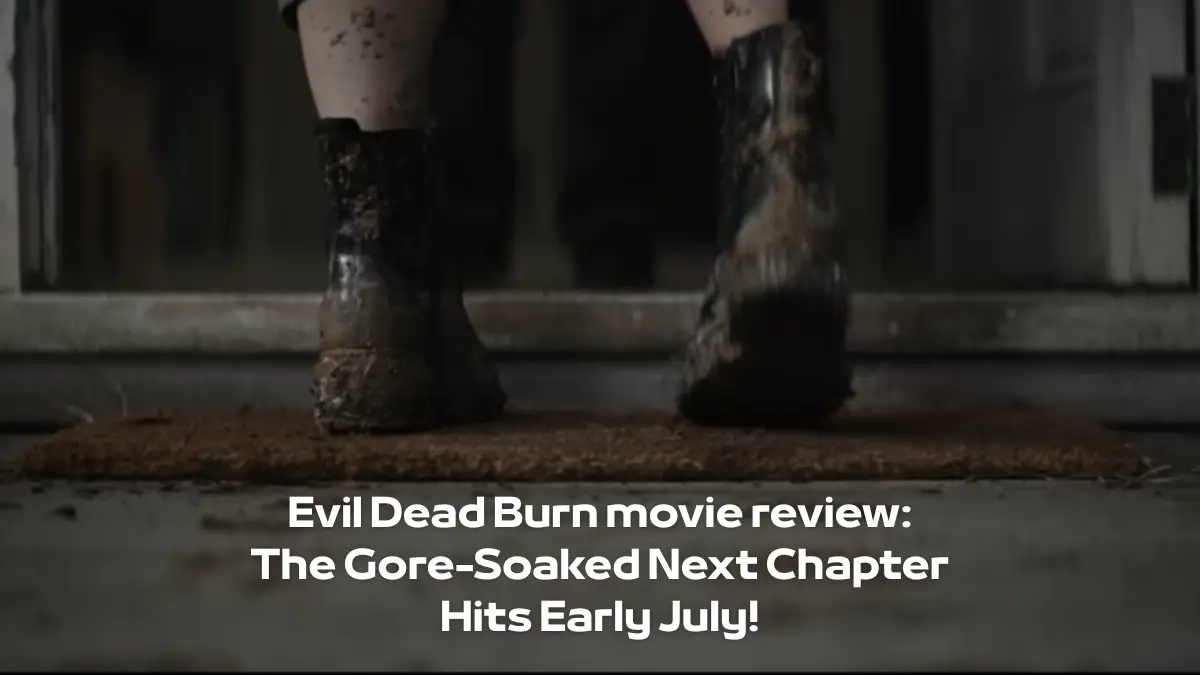
Early test screenings and promotional assets explored in this preliminary Evil Dead Burn movie review reveal that Vaniček is pushing the envelope for practical gore effects. The official trailer has already set social media ablaze with three specific sequences that solidify the film’s official slogan, “Family is the root of all evil.” Fans are buzzing over a deeply unsettling shot of a deformed car crash victim knocking on the countryside door with metal fragments fused into flesh. This is followed by a grotesque scene of a possessed character drinking burning hot, boiling candle wax, and a claustrophobic, bloody confrontation staged inside a commercial dishwasher packed with razor-sharp kitchen knives. The sheer visual density makes it the perfect benchmark title to test on the best 4K projectors for horror fans or high-end mobile displays.
Dual-Distribution Tactics and Future Sequels
What makes the release strategy surrounding this Evil Dead Burn movie review cycle unique is the high-profile distribution alliance between competing studios. Warner Bros. Pictures will handle the domestic North American theatrical footprint, while Sony Pictures secures international markets and the Middle East. While Evil Dead Burn operates as a completely self-contained standalone story within the broader universe, insiders have already confirmed that a seventh independent installment, tentatively titled Evil Dead Wrath, is already deep in active development. This continuous pipeline ensures that fans of visceral survival horror will have plenty of nightmares to feast on throughout 2026 and beyond, easily rivaling the interactive dread found in our recent best horror games we recommend cry of fear analytical breakdown.
Summary: A Triumph of Practical Horror and Tension
If early reactions hold true, Evil Dead Burn is poised to become a definitive masterpiece of modern visceral cinema. By blending Sébastien Vaniček’s gritty French horror roots with Sam Raimi’s classic supernatural chaos, this July release ensures the franchise’s blood-soaked crown remains completely unassailable.
Frequently Asked Questions (FAQ)
- What is the official release date for Evil Dead Burn?
The film will officially open in theaters globally on July 10, 2026, after its release schedule was moved up by the studios. - Is Bruce Campbell returning as Ash Williams in Evil Dead Burn?
While Bruce Campbell serves as an executive producer alongside Sam Raimi, the movie features a brand-new cast of characters and operates as a standalone entry. - Who is distributing the new Evil Dead movie in 2026?
Warner Bros. Pictures is handling the North American theatrical release, while Sony Pictures is directing international and Middle Eastern distribution.
Discover more from Feenanoor
Subscribe to get the latest posts sent to your email.