
On-Page SEO Checklist for 2025: Essential Techniques to Improve Rankings and User Experience

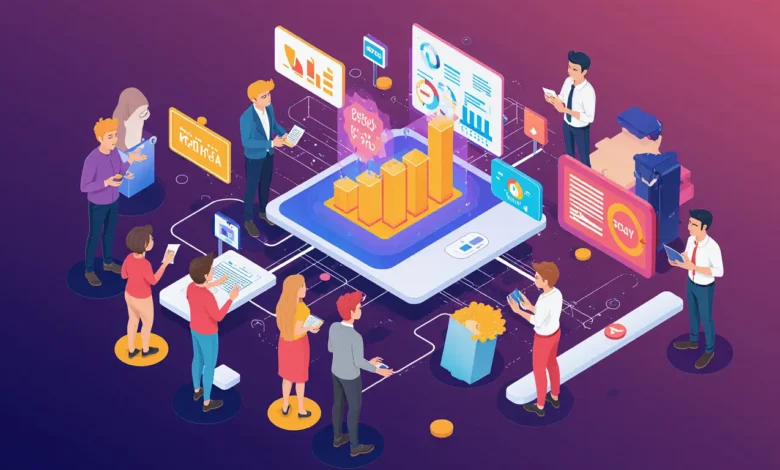
On-page SEO checklist in 2025 is not just about optimizing keywords; it is about crafting high-quality, structured content that satisfies user intent, improves engagement, and helps search engines understand your expertise.
As Google becomes more advanced in interpreting language, semantics, and user behavior, successful on-page SEO depends on the ability to combine content clarity with technical precision and human-centered design.
This checklist gives you a practical, updated framework to optimize every page for modern search, based on real strategies that still matter in 2025.
On-Page SEO Checklist for 2025: Why It Still Matters
On-page SEO remains a core ranking factor because it determines:



- How search engines understand your topic
- How users interact with your content
- How quickly pages get indexed and ranked
- How well content matches user intent
Even with AI-driven personalization and multimodal search,
Google still relies on structured signals to evaluate:
- Relevance
- Expertise
- Quality
Ignoring on-page SEO means publishing content that search engines cannot interpret effectively, even if it is valuable.
1. Optimize Page Titles and Meta Descriptions
Titles and meta descriptions still influence both rankings and click-through rate.
Best practices:
- Include the main keyword naturally
- Keep titles clear and benefit-driven
- Keep meta descriptions under 160 characters
- Avoid clickbait phrasing
- Reflect real content value
Good titles are not just search-focused; they communicate meaning and benefit.
Example structure:
- What
- Why
- Value
On-page SEO works best when supported by a deeper understanding of how search behavior is changing. Our pillar article, “What Is SEO in 2025? A Complete Guide to Search Optimization for Sustainable Growth,” provides a comprehensive overview of the principles driving modern SEO and how they shape ranking opportunities today.
2. Use Relevant and Structured Headings
Headings help readers and search engines navigate content logically.
Guidelines:
- Use only one H1
- Use H2s for key sections
- Break long sections with H3s
- Avoid large unstructured text blocks
- Reflect keywords and semantic topics
Headings transform content from a block of text into a readable, understandable hierarchy.
3. Write Strong Introductions That Address Intent
Most readers decide whether to stay or leave within 5 seconds.
Your intro must quickly communicate:
- What the topic is
- Who it is for
- Why it matters
Avoid abstract, academic intros.
Be direct, conversational, and useful.
Example:
On-page SEO in 2025 is not about gaming algorithms; it is about structuring content that satisfies real user intent while meeting Google’s technical expectations.
4. Use Keywords Strategically, Not Aggressively
Keyword usage in 2025 is about context, not density.
Best practices:
- Main keyword in title, meta, H2, intro
- Semantic variations across the content
- Avoid keyword stuffing
- Optimize naturally
Search engines evaluate how well content answers the topic, not how many times you repeat the same phrase.
5. Improve Readability and User Experience
SEO is shifting toward human-friendly design.
Improve readability by:
- Short paragraphs
- Simple sentence structures
- Bullet points
- Visual spacing
- Examples and explanations
Readability is not style; it is a ranking factor because it increases:
- Time on page
- Scroll depth
- Return visits
6. Optimize Visual Content for Engagement
Visual elements strengthen comprehension and engagement.
Use:
- Relevant images
- Charts
- Infographics
But avoid:
- Oversized files
- Irrelevant visuals
- Stock-photo spam
Visuals should support the idea, not distract from it.
7. Add Descriptive Image Alt-Text
Alt-text helps:
- Search engines index images
- Improve accessibility
- Boost topical relevance
Write alt-text that describes the content, not the style.
Example:
“on-page seo checklist for 2025 explaining ranking factors”
8. Use Internal Linking to Strengthen Topic Authority
Internal links help Google understand relationships between:
- Ideas
- Categories
- Knowledge
Link to:
- Pillar content
- Related articles
- Supporting guides
This is how you build semantic depth across the site.
Internal linking improves:
- Crawlability
- Ranking
- User navigation
9. Use External Links to Credible Sources
Link to authoritative sources when necessary.
This helps:
- Support statements
- Improve credibility
- Provide context
External links should be:
- Relevant
- High-quality
- Minimal
Google rewards content that demonstrates trustworthiness and research.
10. Use a Clear, Engaging Call to Action
Content without direction is content that doesn’t convert.
Good CTAs are:
- Simple
- Clear
- Contextual
Examples:
- Learn more about technical SEO
- Compare tools for faster ranking
- Explore our full SEO guide
CTA placement:
- End of sections
- End of article
11. Improve Mobile Experience and Loading Speed
More than half of organic traffic comes from mobile devices.
Optimizing performance is critical:
- Compress images
- Lazy-load media
- Use lightweight themes
- Avoid heavy scripts
- Remove unnecessary plugins
Fast content = better engagement = higher ranking.
12. Write Strong Conclusions That Reinforce Value
A conclusion is not a summary; it is reinforcement.
It should:
- Acknowledge the topic
- Affirm its importance
- Encourage further reading
Good conclusions leave readers feeling satisfied, not abandoned.
13. Update Content Regularly
SEO is not static.
Content decays if it is not maintained.
Review pages for:
- Accuracy
- Relevance
- Outdated information
- Better phrasing
- New search trends
Updating content sends a strong signal of freshness and value.
Why This On-Page SEO Checklist Matters
On-page SEO in 2025 is the system that transforms content from:
- Text → Value
- Words → Topics
- Articles → Entities
It is where UX meets semantics,
and where creative thinking meets technical precision.
Search engines reward content that is:
- Clear
- Organized
- Helpful
- Trustworthy
This checklist helps you build content that meets all four criteria.
Conclusion
The future of on-page SEO is not tactical; it is strategic.
It requires:
- Human connection
- Technical foundation
- Intent alignment
- Visual clarity
- Structural intelligence
The websites that dominate search will be those that combine expertise with empathy, not automation with shortcuts.
Modern on-page SEO is not about beating the algorithm—
it is about collaborating with it to serve the user better.
FAQ
1. How important is keyword density today?
Not important—context matters more than repetition.
2. Should every page have images?
Preferably yes, but only if relevant.
3. How many internal links should a page contain?
2–5 contextual links to relevant content.
4. Does word count affect ranking?
Indirectly—longer content ranks if it delivers more value.
5. What is the biggest mistake in on-page SEO?
Writing for search engines instead of people.
Discover more from Feenanoor
Subscribe to get the latest posts sent to your email.