
Project Helix: Microsoft Reveals the Future of Xbox with a Hybrid Console Vision

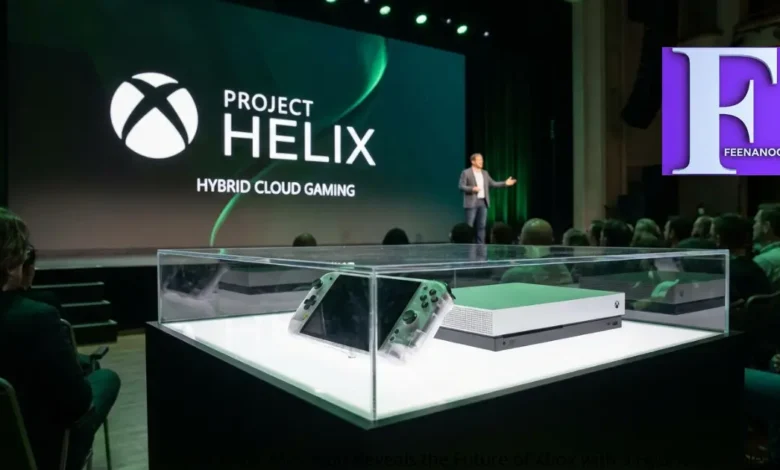
What is Project Helix? Microsoft has officially revealed the codename for the next-generation Xbox, a hybrid gaming system designed to merge console and PC gaming into one unified platform.
Project Helix: Microsoft’s Next-Generation Xbox Strategy
In a move that could reshape the future of the gaming industry, Microsoft officially revealed the codename Project Helix for its next-generation Xbox platform on March 5–6, 2026. The announcement signals a significant shift in the company’s gaming strategy, introducing a concept aimed at bridging the gap between traditional console gaming and PC gaming.
According to the announcement, Project Helix is not simply another iteration of the Xbox console line. Instead, it represents a broader technological vision designed to unify gaming ecosystems and create a seamless experience across multiple platforms.


The project was introduced publicly by Asha Sharma, Head of Xbox, who described the initiative as a foundational step toward the future of gaming at Microsoft. Her comments emphasized that the company is working toward a more flexible gaming environment where players can access the same experiences regardless of whether they are playing on a console or a personal computer.
This shift reflects broader changes in the gaming landscape, where players increasingly expect cross-platform compatibility, cloud integration, and wider access to game libraries without strict hardware limitations.
Read Also:
Xbox 2026 Roadmap: March Game Pass Drops and the 2027 Next-Gen Leaks
Iron Lung Post Credit Scene: Why You Should Stay Until the Very End (Confirmed)
A Hybrid Console That Combines Xbox and PC Gaming
One of the most notable aspects of Project Helix is its hybrid architecture. Unlike previous Xbox generations that focused primarily on console hardware, the upcoming system is expected to support both Xbox titles and PC games natively.
Running games locally without relying on emulation or streaming could significantly expand the platform’s capabilities. Players may be able to access not only Xbox titles but also a large ecosystem of PC games, potentially transforming the console into a unified gaming device.
This hybrid approach could bring several advantages to the gaming community. For players, it means a broader game library and more flexibility in how they access and play games. For developers, it offers the possibility of building games within a unified environment that supports both Xbox and Windows platforms.
If implemented effectively, Project Helix could blur the traditional boundaries between console gaming and PC gaming, creating a new category of gaming hardware.
Microsoft’s Long-Term Gaming Ecosystem Strategy
Project Helix aligns closely with Microsoft’s broader gaming ecosystem strategy that has been evolving for years. Instead of focusing solely on hardware sales, Microsoft has increasingly shifted toward building an interconnected gaming platform powered by services, subscriptions, and cross-device accessibility.
Over the past decade, the company has expanded the Xbox ecosystem through services like Game Pass, cloud gaming technology, and deeper integration with the Windows operating system. Project Helix appears to be the next major step in that evolution.
By merging Xbox and PC gaming capabilities, Microsoft could streamline development pipelines and simplify game distribution across platforms. Developers may be able to launch titles simultaneously on both Xbox and PC with fewer technical barriers.
Such an ecosystem-driven model also strengthens subscription services and digital distribution, which have become central pillars of the modern gaming economy.
A Direct Rival to the Next PlayStation Generation
The timing of the Project Helix announcement has naturally drawn comparisons to Sony’s expected PlayStation 6, which many industry analysts believe is currently in development.
The rivalry between Microsoft’s Xbox platform and Sony’s PlayStation ecosystem has defined the console market for decades. Each generation introduces new technological innovations and strategic shifts as both companies compete for dominance in the gaming industry.
While Sony traditionally focuses on powerful hardware and strong first-party exclusives, Microsoft’s strategy with Project Helix appears to emphasize ecosystem integration and platform flexibility.
If Microsoft succeeds in delivering a hybrid gaming device that seamlessly combines console and PC experiences, it could provide a unique competitive advantage in the next generation of gaming hardware.
Expected Technical Innovations
Although Microsoft has not yet revealed full technical specifications for Project Helix, industry observers expect the console to feature significant upgrades in processing power, graphics capabilities, and system architecture.
The hardware will likely rely on next-generation processors and graphics solutions developed in partnership with AMD, similar to previous Xbox generations. However, the hybrid concept suggests the system may incorporate design choices that allow it to operate more like a compact gaming PC.
Advanced features such as improved ray tracing performance, faster storage technologies, and higher memory bandwidth are widely expected to be part of the system’s architecture.
These enhancements would be necessary to support modern AAA games that increasingly demand higher performance levels and more sophisticated graphical rendering techniques.
More Details Expected at the Game Developers Conference
Despite the official announcement of the project’s codename, many technical aspects remain undisclosed. Microsoft is expected to share additional details about the system during the upcoming Game Developers Conference (GDC).
GDC is one of the most influential events in the gaming industry, bringing together developers, publishers, and technology companies to discuss new tools, engines, and platforms shaping the future of interactive entertainment.
If Microsoft follows typical industry practices, GDC could serve as the stage where developers receive deeper insight into the hardware architecture and development environment behind Project Helix.
Such information would help studios begin preparing their games and engines for the next generation of Xbox hardware.
Expected Release Timeline
While Microsoft has not officially confirmed a launch window, early reports suggest the next-generation Xbox could arrive around 2027. This timeline would align with the typical lifecycle of gaming consoles, which generally spans six to seven years between major hardware generations.
If the 2027 projection proves accurate, Microsoft will likely begin gradually revealing more information about Project Helix over the next year. Future announcements may include hardware specifications, design previews, pricing strategies, and launch titles.
As the release window approaches, industry anticipation is expected to grow, particularly as Sony prepares its own next-generation PlayStation platform.
What Project Helix Could Mean for the Future of Gaming
Project Helix represents more than just a new console. It reflects a broader shift in how gaming platforms are designed and delivered to players.
Instead of forcing users to choose between console gaming and PC gaming, Microsoft appears to be working toward a unified ecosystem that combines the strengths of both. Such an approach could redefine how players interact with gaming hardware and software in the coming years.
For players, the concept promises flexibility and access to a larger ecosystem of games. For developers, it may simplify development workflows and expand potential audiences.
If Microsoft successfully executes this vision, Project Helix could mark the beginning of a new era in gaming hardware where platform boundaries become increasingly irrelevant.
Summary of the Article
Project Helix is the codename for Microsoft’s next-generation Xbox platform and represents a major strategic shift toward hybrid gaming hardware. Designed to merge the capabilities of consoles and personal computers, the system aims to deliver a unified gaming experience across platforms.
Although many technical details remain undisclosed, early information suggests the device could support both Xbox and PC games natively. Additional information is expected during the upcoming Game Developers Conference, while the full launch of the console is rumored to occur around 2027.
If the project delivers on its promise, it may significantly influence the direction of the gaming industry and redefine the relationship between consoles and PCs.
Frequently Asked Questions
What is Project Helix?
Project Helix is the codename for Microsoft’s upcoming next-generation Xbox platform designed to integrate console and PC gaming experiences.
Will Project Helix run PC games?
Yes, early reports indicate the system may support both Xbox titles and PC games natively.
When will the next Xbox launch?
While there is no official release date yet, industry reports suggest a possible launch around 2027.
Is Project Helix competing with PlayStation 6?
Yes, the project is widely considered Microsoft’s next-generation competitor to Sony’s upcoming PlayStation hardware.
Discover more from Feenanoor
Subscribe to get the latest posts sent to your email.

