
Interactive Fabrics and Digital Couture: How Fashion Is Becoming Intelligent


Interactive Fabrics enter the spotlight as Digital Couture transforms fashion through color-changing garments driven by body temperature and environmental light.
The fashion industry has reached a pivotal moment where clothing is no longer static. This week marked the official launch of a new generation of Interactive Fabrics, introducing garments capable of changing color based on body temperature and surrounding light conditions. The movement, widely referred to as Digital Couture, signals a profound shift in how fashion intersects with technology.
What was once experimental is now entering the commercial spotlight.



What Are Interactive Fabrics?
Interactive Fabrics are advanced textiles engineered with embedded smart materials, micro-sensors, and responsive pigments. These elements allow garments to react dynamically to external stimuli such as heat, light, or motion.
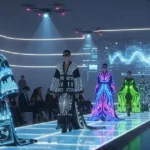
In the latest Digital Couture collections, designers showcased dresses, jackets, and outerwear that subtly transition in color as the wearer moves between environments—brighter tones under direct light, deeper shades in cooler or shaded conditions. The result is fashion that behaves almost like a living system.
Read Also: Why Maggie Baugh Is Trending
Digital Couture: When Design Meets Technology
Digital Couture represents more than aesthetic innovation. It reflects a deeper collaboration between fashion designers, material scientists, and technology engineers.
By integrating thermochromic and photochromic technologies, these garments blur the line between apparel and smart devices. Clothing is no longer just worn; it responds, adapts, and communicates. For fashion houses, this evolution opens the door to hyper-personalized style—where a single piece can offer multiple visual identities throughout the day.
Why Interactive Fabrics Matter in 2026
The rise of Interactive Fabrics aligns perfectly with broader 2026 technology trends, including wearable tech, AI-driven personalization, and smart materials. Consumers are no longer satisfied with passive products; they expect functionality, adaptability, and innovation.
From a sustainability perspective, Digital Couture also offers potential benefits. Multi-functional garments reduce the need for excessive consumption, while responsive materials can be optimized for climate efficiency, regulating warmth without additional layers.
Bridging Fashion and Tech Audiences
Digital Couture is uniquely positioned to connect fashion and technology audiences. For tech enthusiasts, Interactive Fabrics represent applied innovation and material engineering. For fashion audiences, they redefine self-expression and creativity.
This convergence makes Digital Couture a natural fit for platforms covering both lifestyle and technology, reinforcing fashion’s place within the broader innovation ecosystem.
The Future of Interactive Fashion
Industry insiders suggest that this is only the beginning. Future iterations of Interactive Fabrics may integrate biometric feedback, AI-driven pattern adaptation, and even connectivity with mobile devices or augmented reality platforms.
As Digital Couture evolves, fashion will continue its transformation from a visual language into an intelligent interface between humans and their environment.
Summary
Interactive Fabrics and Digital Couture are redefining modern fashion by introducing garments that respond to body temperature and environmental light. This innovation marks a major step in merging fashion with technology in 2026.
Discover more from Feenanoor
Subscribe to get the latest posts sent to your email.