Fashion Influencers No Longer Promote These Trends — And Here’s Why

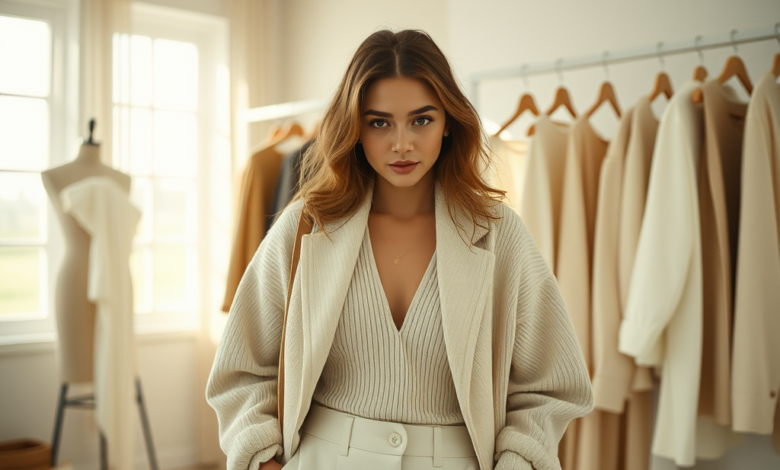
Fashion influencers no longer promote brands and trends the way they once did. Over the past year, a noticeable shift has taken place across social media platforms, especially in the United States. What used to be nonstop hauls, discount codes, and weekly trend pushes has slowly given way to quieter, more selective content.
This change didn’t happen overnight. It reflects deeper transformations in audience expectations, influencer credibility, and the fashion industry itself. Understanding why fashion influencers are stepping back from certain promotions helps explain where digital fashion culture is heading next.
Fast Fashion Is Losing Its Influence Power
One of the clearest changes is that fashion influencers no longer promote fast fashion as aggressively as before. For years, fast fashion brands dominated influencer feeds with constant new collections and low-price appeal. Today, that strategy no longer delivers the same engagement.
Audiences have grown more aware of environmental concerns, labor practices, and the long-term cost of overconsumption. As a result, influencers who continue to push nonstop fast fashion often face criticism rather than admiration.
Many influencers now avoid openly associating themselves with excessive fast fashion, choosing silence over backlash. This quiet retreat speaks louder than any announcement.
Read Also : Top Fashion Trends to Try This Season
Constant Sponsorships Are Driving Followers Away
Another reason fashion influencers no longer promote as much sponsored content is trust fatigue. Followers have become highly sensitive to overly commercial feeds. When every post feels like an advertisement, engagement drops.
Influencers are learning that credibility is harder to rebuild than lost sponsorship income. Instead of promoting every brand that offers a deal, many creators are becoming selective—working with fewer brands or spacing out promotions to maintain authenticity.
This shift has changed how influencer marketing works. Audiences now respond more positively to honest opinions than polished sales messages.
Logo-Driven Luxury Is Quietly Fading
Luxury fashion hasn’t disappeared, but how it’s promoted has changed. Fashion influencers no longer promote loud, logo-heavy luxury in the same way they did a few years ago.
Oversized logos and status-driven aesthetics are being replaced by subtle design, neutral palettes, and timeless pieces. This movement toward understated fashion reflects a broader cultural shift away from showing wealth and toward expressing personal style.
Influencers who embrace this quieter approach often connect more deeply with followers who value practicality and realism.
Trend Fatigue Is Real—and Influencers Feel It Too
The rapid rise and fall of micro-trends has exhausted both audiences and creators. Fashion influencers no longer promote every viral trend because constant reinvention has become unsustainable.
Followers are overwhelmed by the pressure to keep up. Influencers, in turn, are stepping back from trend overload and focusing on repeat wear, personal style, and long-term wardrobe choices.
This slowdown signals a move away from fast-paced consumption toward intentional fashion storytelling.
Why This Shift Matters More Than It Seems
When fashion influencers no longer promote certain trends, it changes the entire digital fashion ecosystem. Brands lose easy exposure, audiences gain more control over their choices, and influencers regain creative freedom.
This shift also highlights a growing maturity in influencer culture. Instead of chasing visibility at any cost, many creators are choosing longevity, trust, and balance.
The result is content that feels more human, less transactional, and more aligned with real life.
What Fashion Influencers Are Moving Toward Instead
Although fashion influencers no longer promote some trends, they aren’t stepping away from fashion entirely. They are redirecting their focus toward:
- Personal styling instead of mass trends
- Quality over quantity
- Honest reviews instead of scripted promotions
- Storytelling instead of constant selling
This evolution suggests that influence is becoming quieter—but more meaningful.
The Future of Fashion Influencer Marketing
Fashion influencers no longer promote just to sell. They promote ideas, values, and lifestyles that resonate with their audiences. This transformation is reshaping how fashion is consumed online.
As audiences continue to demand transparency and authenticity, influencers who adapt to this new reality will remain relevant. Those who don’t may slowly fade from view.
What influencers stop promoting often reveals more than what they choose to share—and right now, that silence is signaling a major shift in fashion culture.
Discover more from Feenanoor
Subscribe to get the latest posts sent to your email.