Denny’s Goes Private in $620M Deal — Budget Meals Return as Chain Reinvents Itself

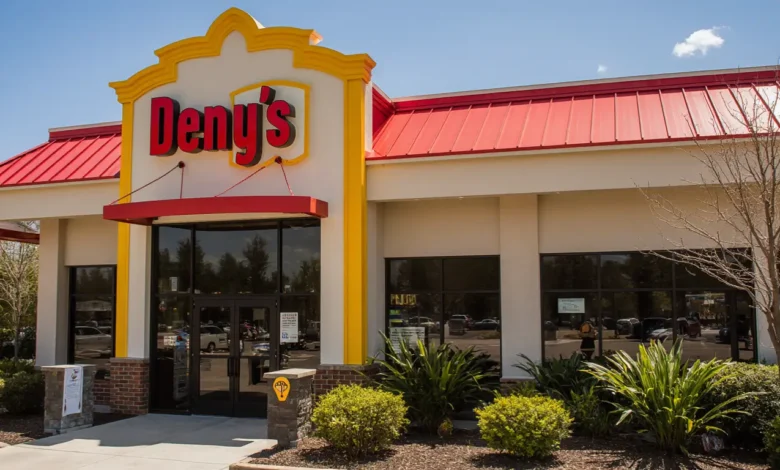
Denny’s, the iconic American diner known for its late-night breakfasts and “Grand Slam” meals, is undergoing a dramatic transformation that may reshape its appeal to value-conscious customers. In November 2025, the chain agreed to be acquired by a coalition of investors in a transaction valuing the company at roughly US$620 million, including debt; the acquisition is expected to be finalized in the first quarter of 2026. Reuters+2Nation’s Restaurant News+2
Simultaneously, Denny’s is doubling down on affordability — relaunching a “value-first” menu and reintroducing meals starting at just US$5. This dual pivot — from public company to private ownership, and from broad diner to budget-friendly chain — may mark a strategic reset aimed at regaining relevance among cost-sensitive diners.
Private Ownership: What’s Behind the Acquisition?
- The buying group includes private equity firm TriArtisan Capital Advisors, investment firm Treville Capital Group, and major franchise operator Yadav Enterprises — one of Denny’s largest franchisees. Reuters+2Nation’s Restaurant News+2
- Shareholders will receive US$6.25 per share in cash, representing a ≈ 52% premium over Denny’s closing stock price prior to the announcement. AP News+2Los Angeles Times+2
- On the stock market, the news triggered a dramatic surge: Denny’s shares jumped by nearly 50% in early trading. Reuters+2mint+2
- The chain’s board indicated that after evaluating over 40 potential suitors, this deal offered the clearest path forward to stabilize operations and reposition the brand. Los Angeles Times+1
Going private can afford Denny’s greater flexibility: it reduces the pressure of quarterly earnings reports, allows long-term strategic shifts, and may enable more aggressive experimentation with menu formats, pricing, and franchising.
Read Also : Viral Lifestyle 2025: Trends and Insights for the Future
Value-First Menu: $5 Meals and Holiday Bundles
Even before the acquisition announcement, Denny’s signaled a return to “value” — launching a limited-time menu titled “5 Slams Starting at $5” in August 2025. The lineup featured five complete meal options priced between US$5 and US$10, including: GlobeNewswire+2Nation’s Restaurant News+2
- Grand Slam Burrito — scrambled eggs, sausage, bacon, hash-browns, cheese wrapped in a flour tortilla with salsa
- BLT&E Slamwich — bacon, egg, lettuce, tomato on sourdough bread, served with hash-browns or fries
- 2-Egg Breakfast Slam — simple breakfast of eggs, hash-browns and toast
- Plus Denny’s “Everyday Value Slam” and “Super Slam” classics
The campaign was explicitly positioned as a value offering targeting families, students, and budget-conscious diners. GlobeNewswire+2Stock Titan+2
As of November 2025, Denny’s also re-introduced its seasonal “Holiday Turkey Bundle” — a heat-and-serve Thanksgiving meal for up to four people, starting at US$54.99, designed for pre-order and easy reheating at home.
These moves suggest Denny’s intends to pivot from a middle-of-the-road diner chain to a brand that emphasizes affordability and convenience.
Why This Could Go Viral: The Appeal to Today’s Audience
In a time of rising living costs and economic uncertainty, Denny’s dual repositioning — private ownership plus budget-friendly menu — hits several chords likely to resonate widely:
- Shock & Surprise: A 70-year-old, well-known chain going private for $620M is newsworthy and likely to stir conversations about the changing food industry.
- Relatability: Affordable meals starting at $5 appeal directly to students, young professionals, families, and anyone watching their spending — a demographic large enough to turn this into popular content.
- Nostalgia & Value: For many, Denny’s evokes memories of late-night breakfasts or family outings; the return of value menus and holiday bundles taps into that nostalgia.
- Discussion Catalyst: The move prompts questions about the survival of traditional diners, the impact of private equity on food quality/prices, and how chains adapt to shifting consumer habits.
These dimensions make the story not just news — but fodder for consumer discussion, opinion pieces, social-media sharing, and viral engagement.
What’s at Stake: Risks and Opportunities for Denny’s
Opportunities
- Re-engage budget-conscious customers who drifted away amid rising prices or delivery-first dining trends.
- Use private status to modernize operations quietly: menu experimentation, remodeling, franchising changes, without public scrutiny.
- Leverage nostalgia and value pricing to stand out amid inflation, economic uncertainty, and increased demand for affordable comfort food.
Risks
- Value-pricing could erode margins — especially if economic pressures affect ingredient or labor costs.
- The shift to value might dilute brand perception: long-time patrons may view Denny’s as “cheap diner” rather than a classic full-service chain.
- Private-equity ownership sometimes leads to cost-cutting, closures of underperforming venues, or franchising pressure — potentially harming customer experience or long-term brand loyalty.
Conclusion: Denny’s Reinvents Itself for an Era of Value — Could Be the Next Big Viral Story
Denny’s latest moves — a $620M takeover to go private, paired with a return to ultra-low-cost meals — represent a bold repositioning. It reflects a broader shift in the restaurant industry: cost pressure on consumers, changing dining habits, and growing value sensitivity.
For Denny’s, this could be a revival strategy — or a pivot that risks alienating part of its base. For media, readers, and social audiences, the story is rich: a legacy chain reinventing itself under pressure, and trying to stay relevant with budget-friendly comfort food. That combination carries the potential to spread quickly across platforms: news sites, social media, food-forum discussions — a textbook case of viral lifestyle news.
If you want, I can also draft a headline + 3 variants for social-media posting (for Twitter/X, Facebook, Instagram) to maximize viral reach of this article.
FAQ
1) Why did Denny’s decide to go private?
Denny’s board stated that private ownership offers greater operational flexibility, allowing long-term strategic restructuring without quarterly market pressure. The company also sees this move as an opportunity to rebuild value perception through menu changes and franchise evolution.
2) Will customers see price increases or decreases after the acquisition?
The chain is currently focusing heavily on affordability, reflected in the return of US$5-value meals. Whether prices remain low long-term will depend on labor costs, supply chain expenses, and private-equity strategy.
3) What does the $620M deal mean for Denny’s employees and franchise owners?
No immediate layoffs or closures have been announced. However, private equity ownership typically evaluates store-level profitability aggressively, meaning underperforming locations may be reviewed in the future.
4) Is Denny’s planning further menu or brand updates?
Yes. Following the success of the 5-Dollar Slams and holiday bundles, insiders expect Denny’s to test new value-tier offerings, subscription-style loyalty rewards, and a modernized dining experience.
5) What makes this story viral-worthy?
A legacy American diner chain being sold for over half a billion dollars during an era of inflation, while simultaneously launching ultra-budget meals, creates a narrative that is both shocking and relatable — ideal for viral public discussion.
Discover more from Feenanoor
Subscribe to get the latest posts sent to your email.