

AI-Powered UX Is Transforming the Modern TV App Experience

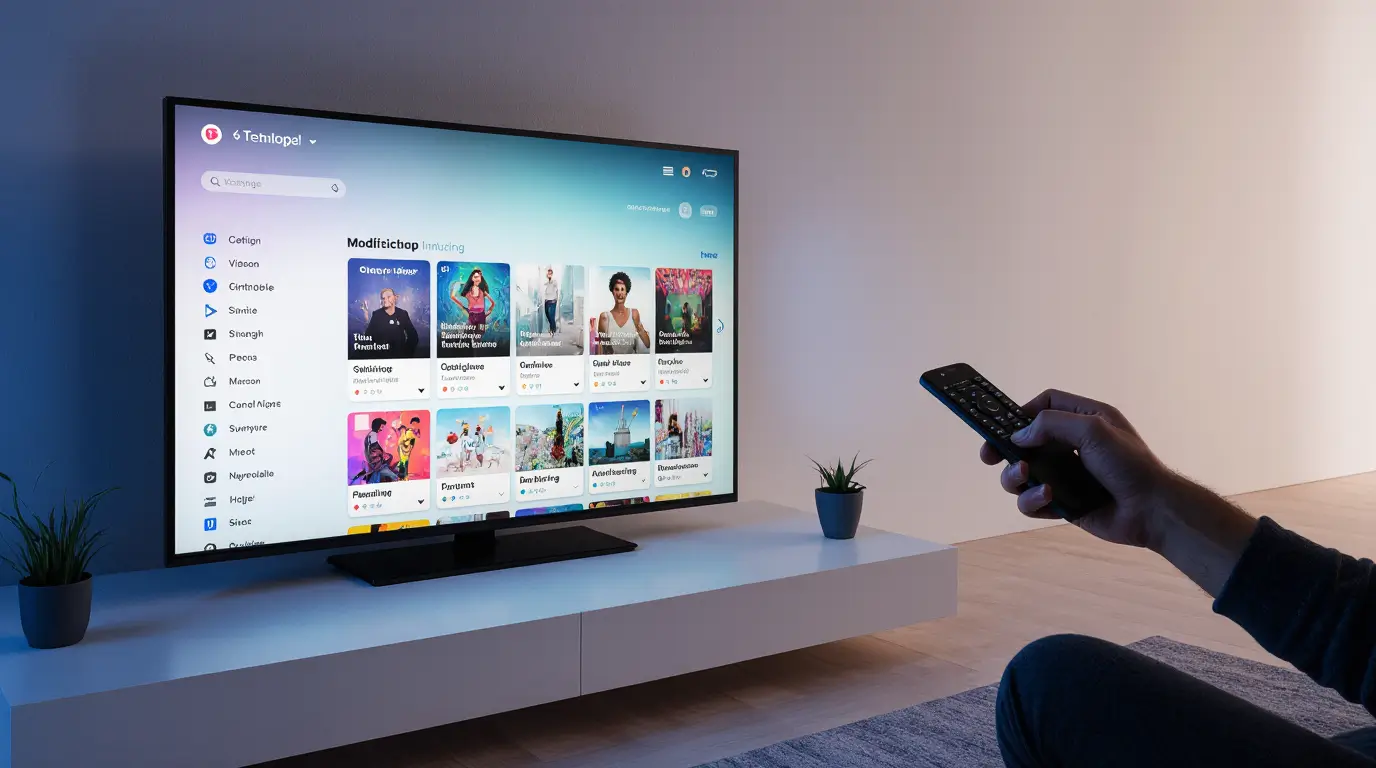
AI-powered tv app technology is reshaping streaming platforms with personalized navigation and smarter content discovery.
According to industry sources, several major companies in the streaming and broadcast sector have recently announced AI-driven upgrades designed to enhance the functionality and personalization of the modern tv app. These updates aim to improve recommendation accuracy, automate metadata generation, and enable more intuitive user interaction through voice and gesture-based controls.
One notable announcement came from Bitmovin and ThinkAnalytics, who partnered to expand advanced AI capabilities for video metadata and automated content analysis — helping streaming platforms deliver more relevant content to viewers.




Brightcove also revealed new AI-powered features that automate captioning, translate content, and optimize metadata — improvements that directly benefit Smart TV apps and OTT platforms through better accessibility and discoverability.
Meanwhile, Samsung introduced its Vision AI Companion for the latest generation of Smart TVs, offering contextual content recommendations and intelligent voice interaction — signaling a deeper shift toward AI-centric UX in the tv app ecosystem.
With AI-powered systems embedded into every major tv app, platforms are moving away from static menus toward personalized screens that adapt to the user’s interests. Viewers often find curated rows of content based on their tastes, viewing habits, or recent interactions, turning passive watching into a tailored experience.
The integration of voice-based navigation has also reshaped how users interact with apps. Instead of browsing through endless grids, viewers can request content based on mood or category, supported by intelligent recognition systems capable of interpreting natural speech. This is particularly appealing for audiences who see the traditional remote as slow, outdated, or inaccessible.
AI-driven personalization inside each tv app also mitigates “decision fatigue,” a common challenge in large streaming libraries. Platforms are now designed to reduce time spent searching, presenting content that matches inferred preferences rather than waiting for users to navigate menus manually. This trend underscores how the user experience has shifted from search-centric to suggestion-centric.
Read Also : JioHotstar in India: How Technology is Transforming the Streaming Landscape in 2025
How AI-Powered UX & Personalization in TV Apps Are Redefining Viewing
In a landscape driven by constant content growth, the evolution of the tv app suggests a deeper shift in how viewers consume media. As platforms rely more on AI-powered UX:
Users now expect frictionless access to content, and the responsibility to surface relevant recommendations lies entirely with the system. Viewers no longer want to scroll — they want curated moments tailored to individual taste.
Content delivery becomes context-aware, adapting to the time of day, usage patterns, genre preferences, and even binge-watching tendencies. Smart suggestions reduce the gap between intent and action, making content consumption faster and more enjoyable.
Finally, accessibility features driven by AI — such as automated subtitle generation, real-time translation, and conversational navigation — are expanding. These features improve usability for multilingual households, elderly users, and those with different accessibility needs, reinforcing the idea that the modern tv app is evolving into a personalized, intelligent interface.
Discover more from Feenanoor
Subscribe to get the latest posts sent to your email.